
Homeowner Guide · South Texas · Trinity Doors
How Much Does Custom Cabinetry Cost in South Texas?
The honest answer is that custom cabinetry does not have one meaningful price before the project is defined. This buyer's guide explains what moves the cost, what a competing quote may include or leave out, and how to compare the scope before you commit.
The short answer: compare scope before price
A custom cabinet project is priced from its specifications: the room layout, cabinet count, dimensions, construction, door and drawer choices, materials, hardware, finish plan, storage details, delivery, installation, and site conditions. Two kitchens that look similar can have very different scopes behind the finished faces.
That is why this guide does not publish a made-up dollar range or a starting price. Instead, use the checklist below to make sure every cabinet quote describes the same work. Trinity Doors can review a defined cabinet-door or component request through the existing quote flow; cabinet installation and unrelated room trades should be assigned to the appropriate professional.
What drives the cost of custom cabinetry?
Materials matter, but the label alone is not enough. Compare the actual species or sheet material, thickness, grade, edge treatment, joinery, and where each material is used. A project may combine different materials for boxes, doors, drawer parts, and finished panels.
Construction affects labor, durability, fit, and the amount of coordination required. Face-frame and frameless layouts, overlay or inset doors, fixed or adjustable components, and specialty dimensions all change the work. Inset construction, for example, requires tighter fitting and careful hinge coordination.
Door style and drawer count change both the visible design and the manufacturing scope. Shaker, raised panel, flat panel, slab, glass-frame, and other profiles require different components and processes. Deep drawers, finished ends, tall pantry units, and integrated panels can add more work than a simple door count suggests.
Hardware and storage features are easy to overlook in a headline total. Hinges, drawer slides, pulls, rollout trays, waste pullouts, lift hardware, tray dividers, spice storage, and other accessories should each be identified by type, quantity, and who supplies and installs them.
Finishing is another major comparison point. Ask whether the quote covers raw or finished materials, surface preparation, primer, paint or stain, topcoat, color matching, touch-up materials, and finishing labor. If a manufacturer supplies unfinished components, the finishing responsibility stays with the cabinet shop, contractor, or homeowner.
Installation and site conditions can change the total after the cabinet scope is set. Walls that are out of square, uneven floors, difficult access, demolition, trim, fillers, scribing, electrical or plumbing changes, and jobsite protection should be called out instead of hidden in a vague allowance. Design complexity—curves, unusual angles, ceiling-height work, appliance integration, or custom storage—also deserves its own line.
Stock, semi-custom, or fully custom?
Stock cabinetry is built around fixed sizes and a narrower set of configurations. It can be efficient when the room and design fit the available system. Semi-custom cabinetry expands the menu of sizes, finishes, and modifications while still working within a manufacturer's product structure.
Fully custom cabinetry is designed around the room and the decisions that matter to the buyer. It can solve an awkward wall, match an existing detail, create specialized storage, or support a very specific material and profile. It also requires more design definition and coordination, so custom should be evaluated by the problem it solves—not as a quality label by itself.
Ask each provider what is genuinely custom, what comes from a standard catalog, and what happens if a dimension or design detail changes. That distinction makes the quotes easier to compare and helps prevent paying custom-project coordination for a standard solution that already fits.
A cabinet-quote comparison checklist
Before comparing totals, put each quote into the same order: cabinet locations and quantities; box construction and material; door, drawer-front, and panel style; drawer construction and count; hardware brand or specification; finish and color responsibility; storage accessories; finished ends, fillers, toe kicks, and trim; delivery; installation; demolition or disposal; taxes, allowances, and exclusions; payment milestones; and the change-order process.
Then ask four plain-language questions: What exactly is included? What is explicitly excluded? Which items are allowances that may change? What must be approved before production or ordering begins? A quote that answers these questions may be easier to manage even when its headline total is not the lowest.
For a cabinet-door or component quote, send accurate dimensions, quantities, style, profile, material, finish intent, hinge or boring requirements, and drawings or a schedule when available. The existing measuring guide, materials catalog, profiles catalog, and quote form help organize those details before you request pricing.
South Texas material decisions: heat, humidity, and movement
South Texas conditions deserve a project-specific material conversation. Heat, seasonal humidity, coastal exposure, air-conditioning cycles, and jobsite storage can affect how wood products move and how finishes perform. The best choice depends on the cabinet construction, room conditions, ventilation, finish plan, and how the components will be stored and installed.
MDF can be a practical option for some smooth painted applications, while hardwood can make sense when natural grain and a stain or clear finish are central to the design. Plywood may be appropriate for selected cabinet-box applications when its grade, thickness, core, and joinery suit the use. None of these materials is moisture-proof, and no single material is right for every South Texas kitchen or bath.
Tell the cabinet professional whether the project is near the coast, in a humid room, exposed to direct heat, or likely to sit in an uncontrolled space before installation. Review the available options in the Trinity Doors materials information, and confirm the intended application before approving a material substitution.
Where to prioritize the budget—and where to simplify
Prioritize spending on decisions that are difficult to change later: a layout that fits the room, accurate dimensions, durable construction for high-use areas, drawers and hardware you use every day, and a finish plan that matches the intended material. Good measurements and clear approvals can prevent expensive rework regardless of the cabinet category.
Simplification may be possible in decorative details, unusual door profiles, low-use accessories, extra finish variations, or storage features that duplicate one another. A simpler door style can preserve the layout while reducing visual complexity, but only compare that change after confirming what the quote actually removes.
A useful budget is a set of priorities, not just a ceiling. Mark each line as essential, preferred, or optional, then ask the cabinet professional for alternatives that preserve function. This produces a more useful conversation than requesting a cheaper version without defining what can change.
Is fully custom cabinetry worth it for your project?
Custom is often easier to justify when standard sizes leave unusable gaps, the room has unusual geometry, the homeowner needs specialized storage, or matching an existing profile matters. It can also be valuable when the kitchen is part of a larger design where proportions, materials, and details need to coordinate precisely.
Custom may be harder to justify when a standard or semi-custom system fits the room with only minor compromises. The right question is not whether custom sounds premium; it is whether the additional control solves a real fit, function, or design problem that matters to you.
Schedule variables to discuss early
A cabinet schedule is a chain of dependencies, not one universal lead time. Design decisions, field verification, approvals, material availability, production capacity, finishing, delivery, and installation all affect the sequence. Demolition, flooring, countertops, electrical, and plumbing may need to happen before or after specific cabinet milestones.
Ask for the current sequence, the decisions that could delay it, and who owns each handoff. Get the applicable timing in writing after the scope is approved, and leave room for site conditions or material changes. Trinity Doors confirms current production timing for its manufacturing scope rather than promising a universal turnaround.
A conceptual comparison: two similar kitchens
Imagine two kitchens with the same footprint and a similar number of cabinet openings. Kitchen A uses a standard door style, straightforward overlay, a defined material, ordinary drawer hardware, one finish plan, and an installation scope with clear site conditions. Kitchen B has the same basic layout but adds inset fitting, more drawers, specialty storage, finished panels, mixed materials, extra trim, a custom color, and more complicated scribing.
The rooms may look comparable in a photo, but Kitchen B contains more material decisions, fabrication, finishing, coordination, and installation risk. The useful comparison is not which kitchen has the lower total; it is which line items create the difference and whether those added features solve priorities worth paying for.
A practical next step for South Texas homeowners
Start by documenting the room, your must-have storage, the preferred door style, finish intent, and any unusual conditions. Use the existing guide to measuring cabinet doors if you are replacing doors or requesting components, and browse the materials and profiles pages before you ask for a quote. Bringing a clear schedule or drawings makes the response more specific.
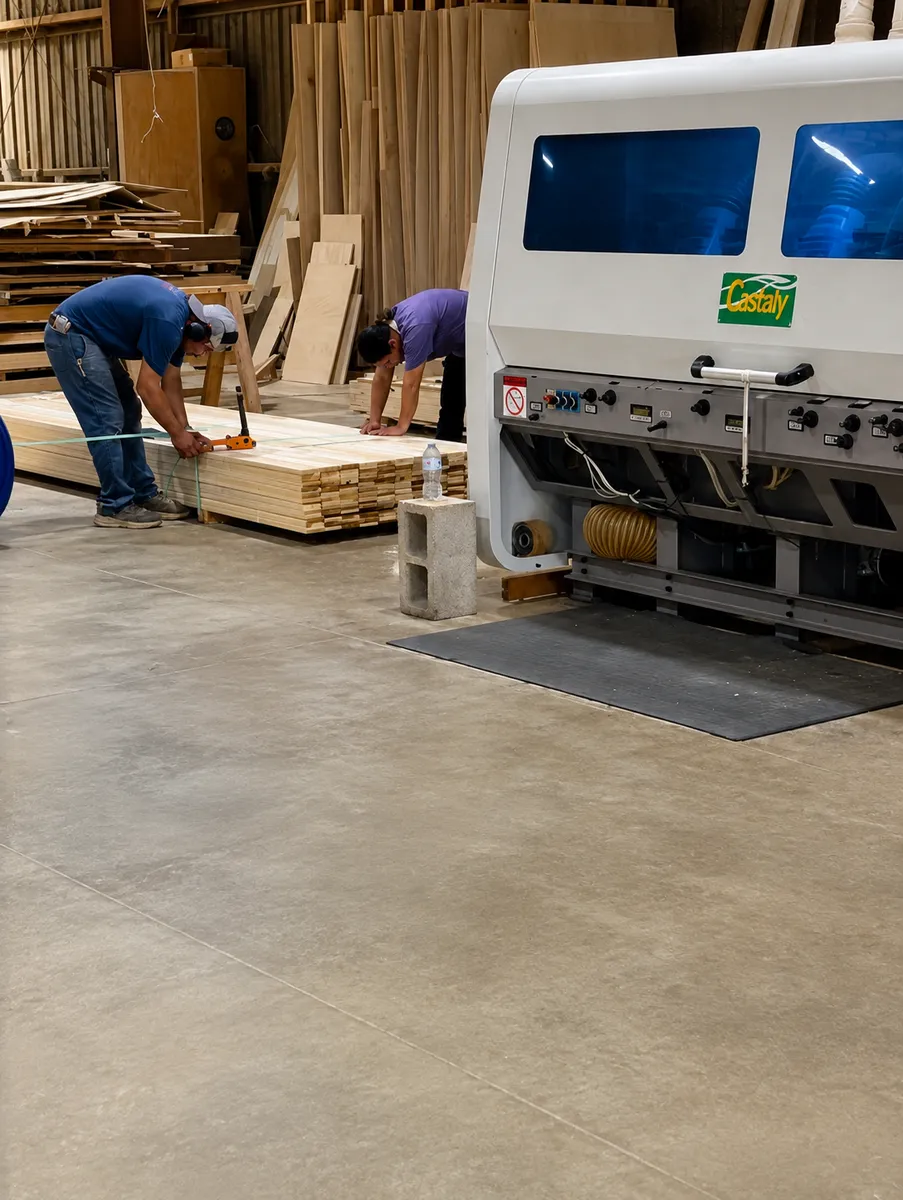
Trinity Doors manufactures cabinet doors, drawer fronts, profiles, mouldings, and related components in Vidor, Texas. Customers in Southeast Texas, the Houston area, and other Texas and Louisiana markets can submit the project location and specifications so the available manufacturing and logistics options can be confirmed. Request a quote when you are ready; the team will review the actual scope rather than guess at a generic cabinet-project price.
Frequently Asked Questions
How much does custom cabinetry cost in South Texas?
There is no responsible single price for a custom cabinetry project without the scope and specifications. Cost depends on materials, construction, door style, drawers, hardware, finish work, storage features, installation, site conditions, and design complexity. Compare written quotes line by line and request a project-specific quote rather than relying on a generic range.
How should I set a budget for custom cabinets?
Start with the complete project scope, not a cabinet-only number. List the cabinet boxes, doors and drawer fronts, drawers, hardware, finish work, delivery, installation, and any electrical, plumbing, flooring, or wall work that may be affected. Then decide which functions and visible details matter most so the quote reflects your priorities.
What is the difference between stock, semi-custom, and fully custom cabinetry?
Stock cabinets use fixed sizes and limited configurations. Semi-custom cabinets offer more sizes, finishes, and modifications within a manufacturer's system. Fully custom cabinetry is designed and built around the room, with more control over dimensions, storage, materials, and details. The right category depends on the room, fit requirements, design priorities, and budget.
Why can two cabinet quotes for the same kitchen be different?
Quotes may include different materials, box construction, door and drawer counts, hardware, finish processes, accessories, installation responsibilities, delivery, or site work. A lower total may simply leave more work outside the quote. Ask each supplier to identify inclusions, exclusions, allowances, and change-order assumptions before comparing totals.
What materials work well for cabinetry in South Texas?
South Texas heat and humidity make movement, moisture exposure, acclimation, and finishing important considerations, but no one material is universally best. MDF may suit some painted applications, while hardwood or plywood may suit other constructions and finish plans. Discuss the room, ventilation, exposure, and intended finish with the cabinet professional before choosing.
Is fully custom cabinetry worth the cost?
Fully custom cabinetry can be worthwhile when the room has unusual dimensions, specialized storage needs, a specific design language, or a long-term fit requirement. It may be less valuable when standard sizes solve the layout cleanly. Compare the practical benefit of each custom decision with its added scope rather than treating custom as automatically better.
How long does a custom cabinet project take?
The schedule depends on design approvals, field measurements, material availability, production capacity, finishing, delivery, installation, and any work that must happen before or after cabinetry. Ask for the current sequence and dependencies in writing; avoid treating an early estimate as a guaranteed completion date.
What should be included in a cabinet quote?
A useful quote identifies cabinet locations and quantities, box and door construction, materials, finish responsibility, drawers, hardware, accessories, delivery, installation, taxes or allowances where applicable, exclusions, payment milestones, and the process for changes. It should also state what measurements and design approvals the price assumes.
Is plywood always the best choice for cabinet boxes?
Plywood is one option, not a universal answer. Its value depends on the grade, thickness, core, joinery, exposure, and how it is used in the cabinet. Compare the actual construction details and application rather than accepting a material label without specifications.
Should I replace my cabinets or reface them?
Refacing may make sense when the cabinet boxes and layout are sound and you mainly want new visible surfaces. Replacement may be more appropriate when boxes are damaged, storage needs have changed, or the layout no longer works. Have the existing cabinetry evaluated and compare the scope of both approaches, including installation and related room work.
Related Services & Pages
Request a Quote
Share your project scope and specifications.
Custom Cabinet Doors
Review made-to-order door options.
Cabinet Door Materials
Compare available hardwood and MDF options.
Door Profiles
Explore styles and profile details.
How to Measure
Prepare accurate replacement dimensions.
Texas Service Areas
See the broader Texas territory.
How Cabinet Doors Are Made
Understand the manufacturing process.
About Trinity Doors
Learn about the Vidor manufacturer.
Showroom
Review the existing showroom page.
Cabinet Door FAQ
Browse common ordering questions.
Ready to price your cabinet door project?
Call Trinity Doors at (409) 783-0600 or request a quote for custom cabinet doors, drawer boxes, mouldings, hardware, or commercial cabinet door orders.